Category

Processes

Our Top New Home Build Tips

By | Processes

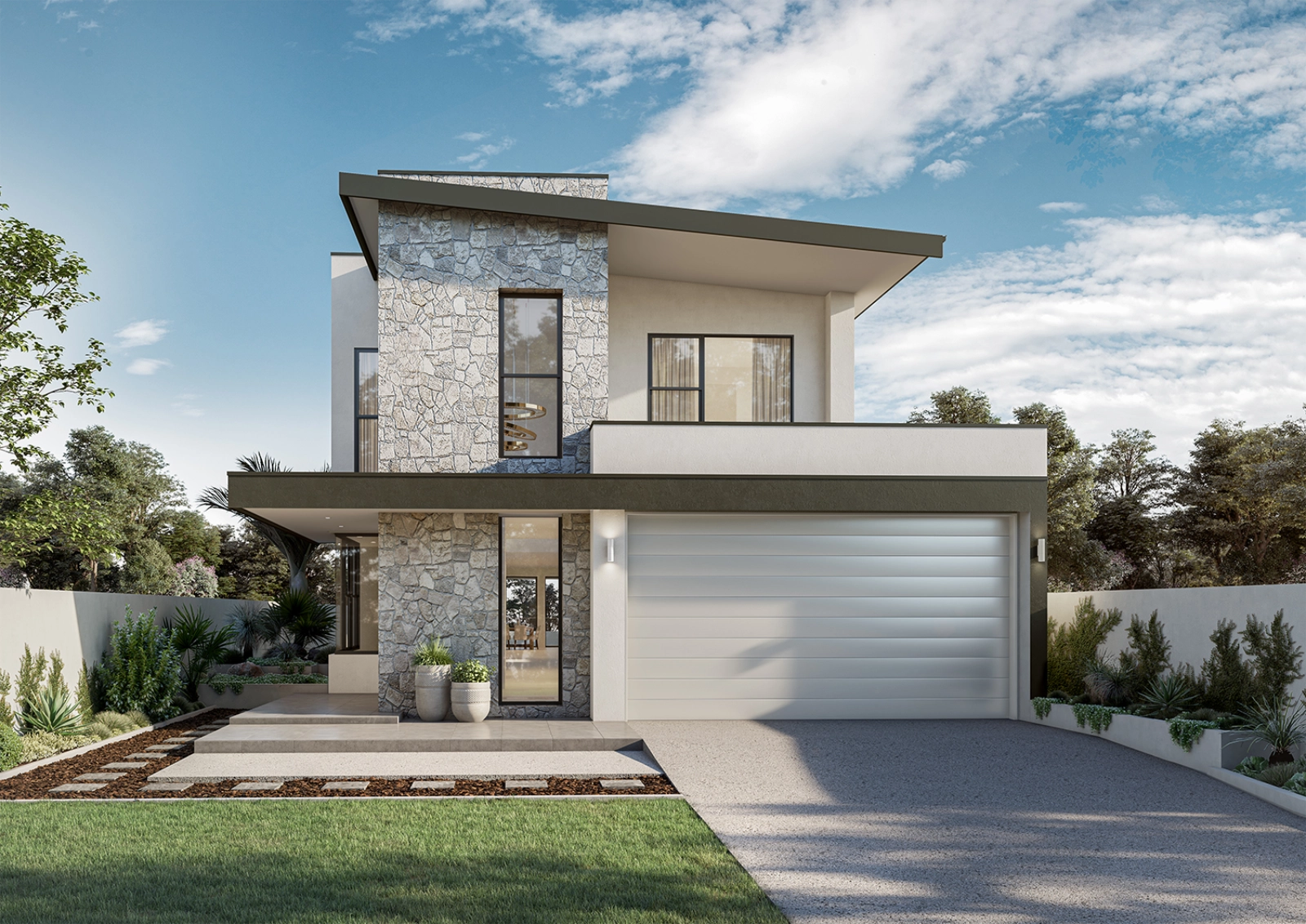
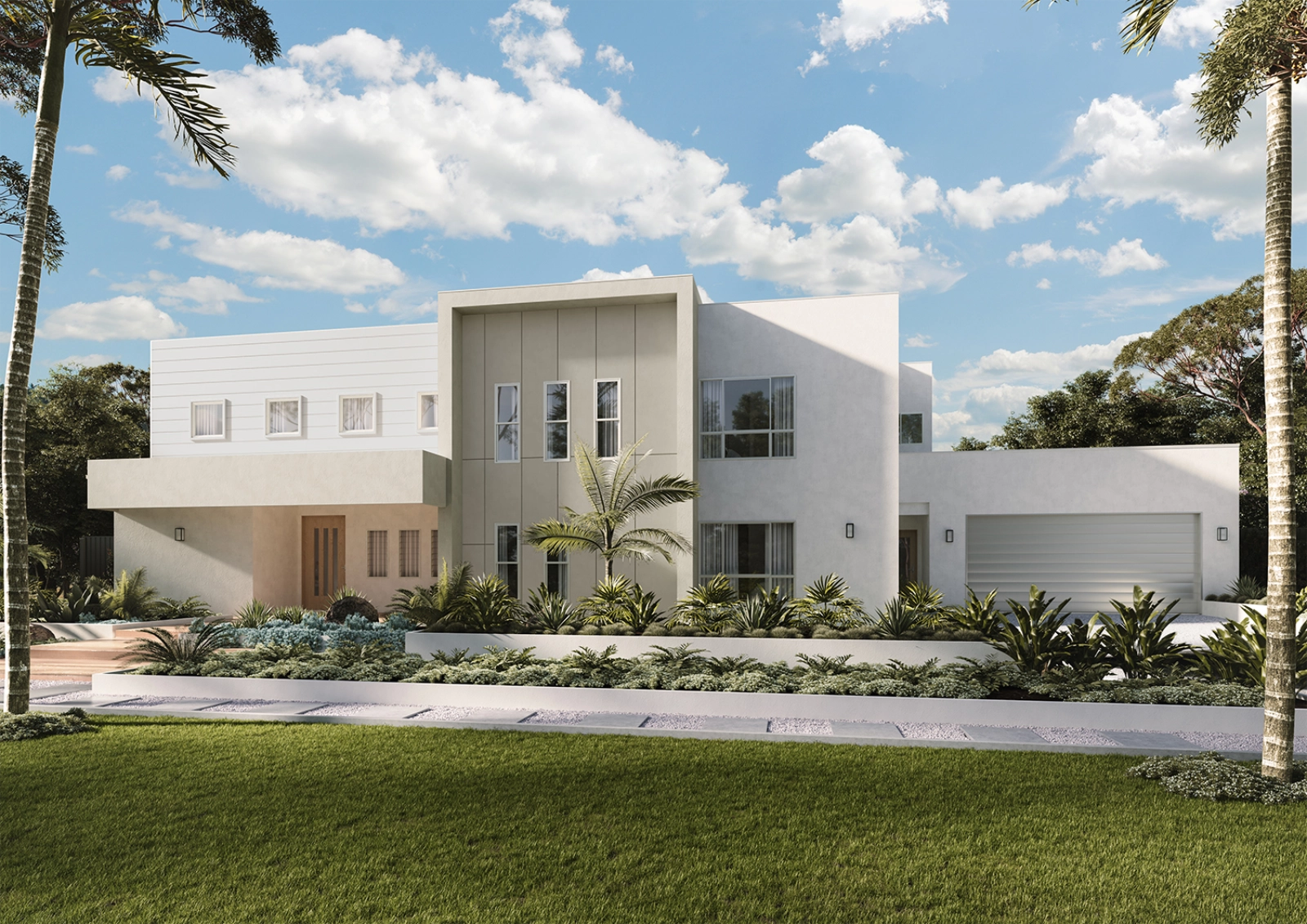
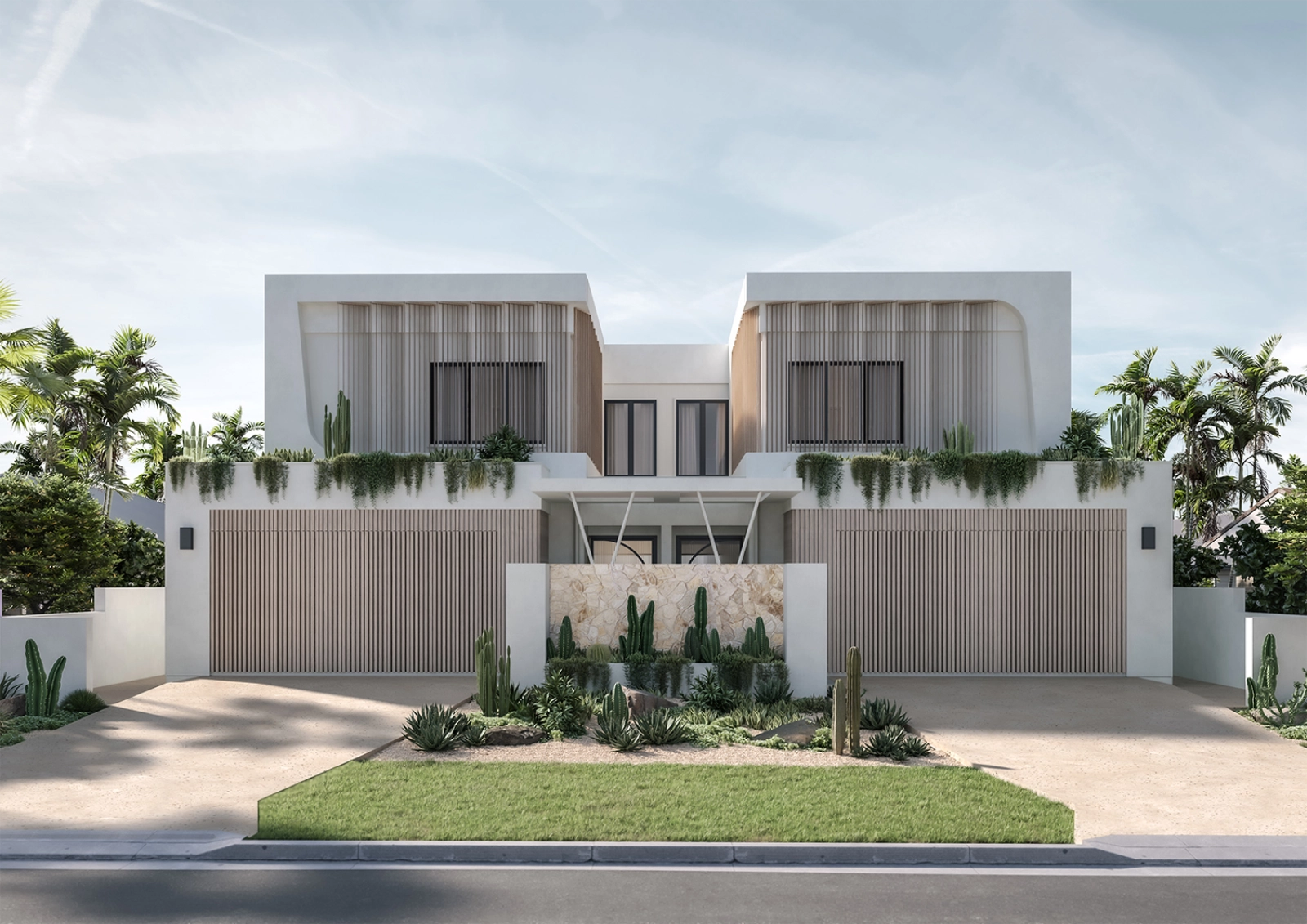
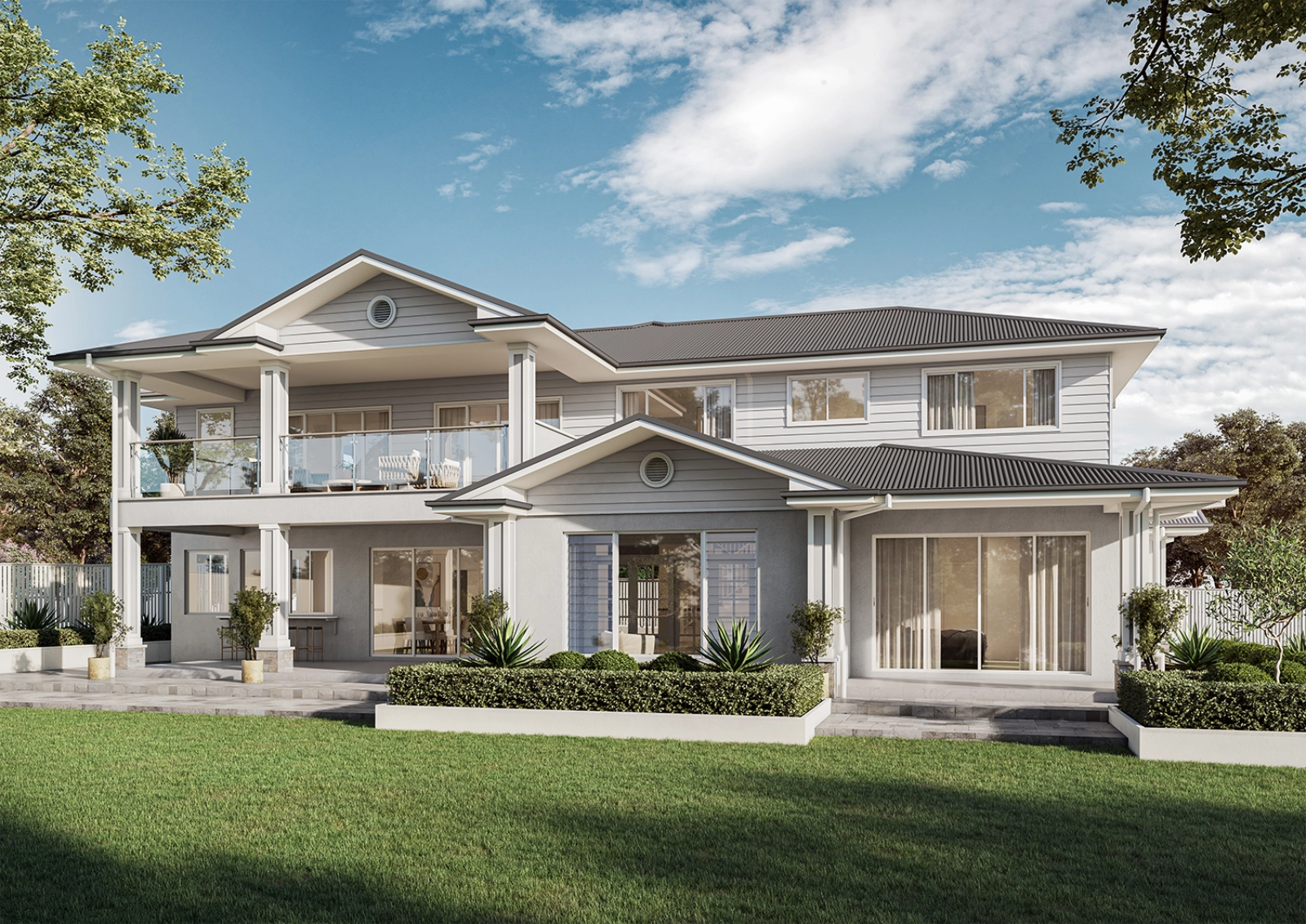
Building your dream home is a journey that’s both exciting and deeply personal. A new home build grants you the opportunity to craft a space that’s uniquely yours – one that creates generational human connection and value. We’ve helped hundreds of Queenslanders design their dream homes with clarity and confidence. So, you might say we consider ourselves something of experts on these matters.

Whether you currently have existing plans with a builder or are just beginning your dream home journey, we know how to handle the entire process smoothly and stress-free.

Be Clear on Your Vision

Your home should reflect who you are, your lifestyle, and your tastes. And it’s important to have a clear view of what that looks like as a home. Consider:

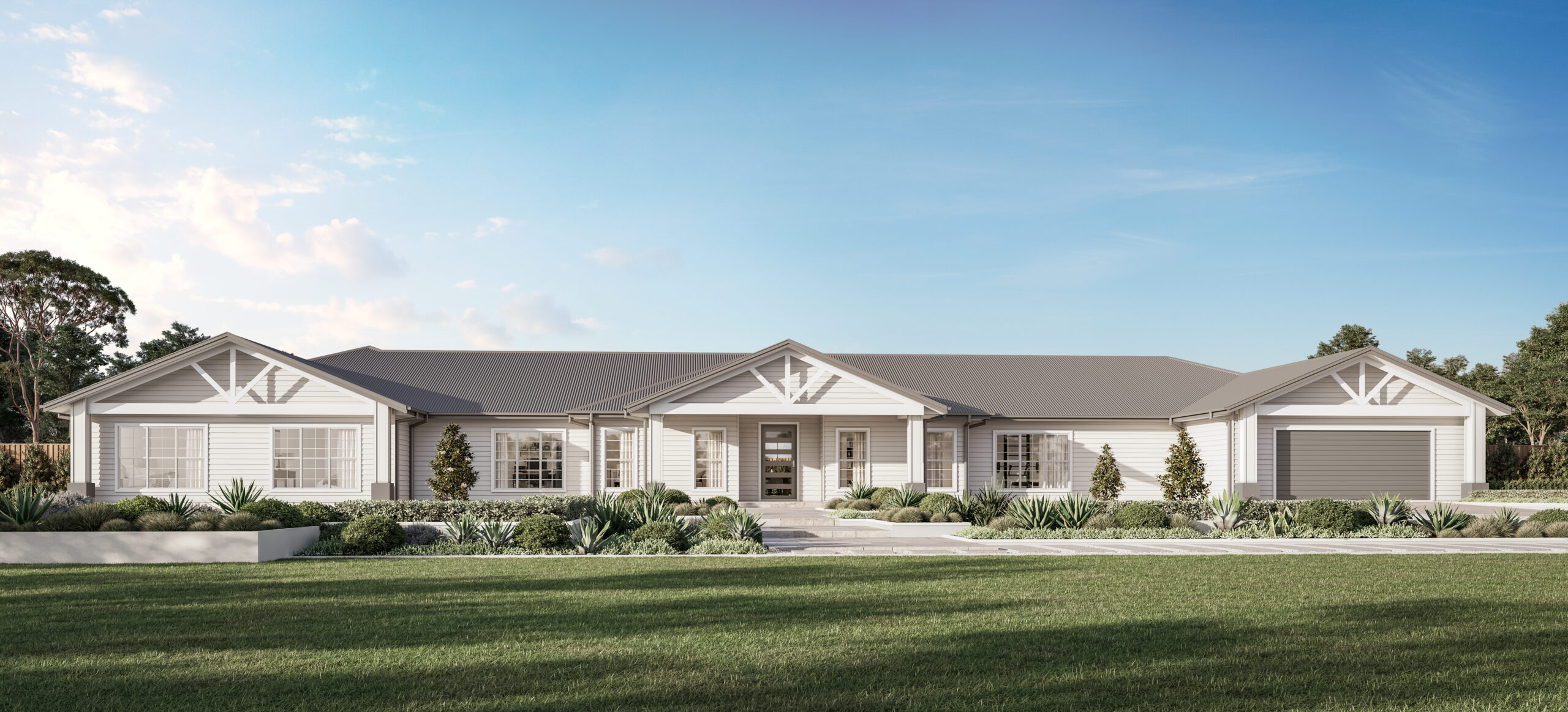
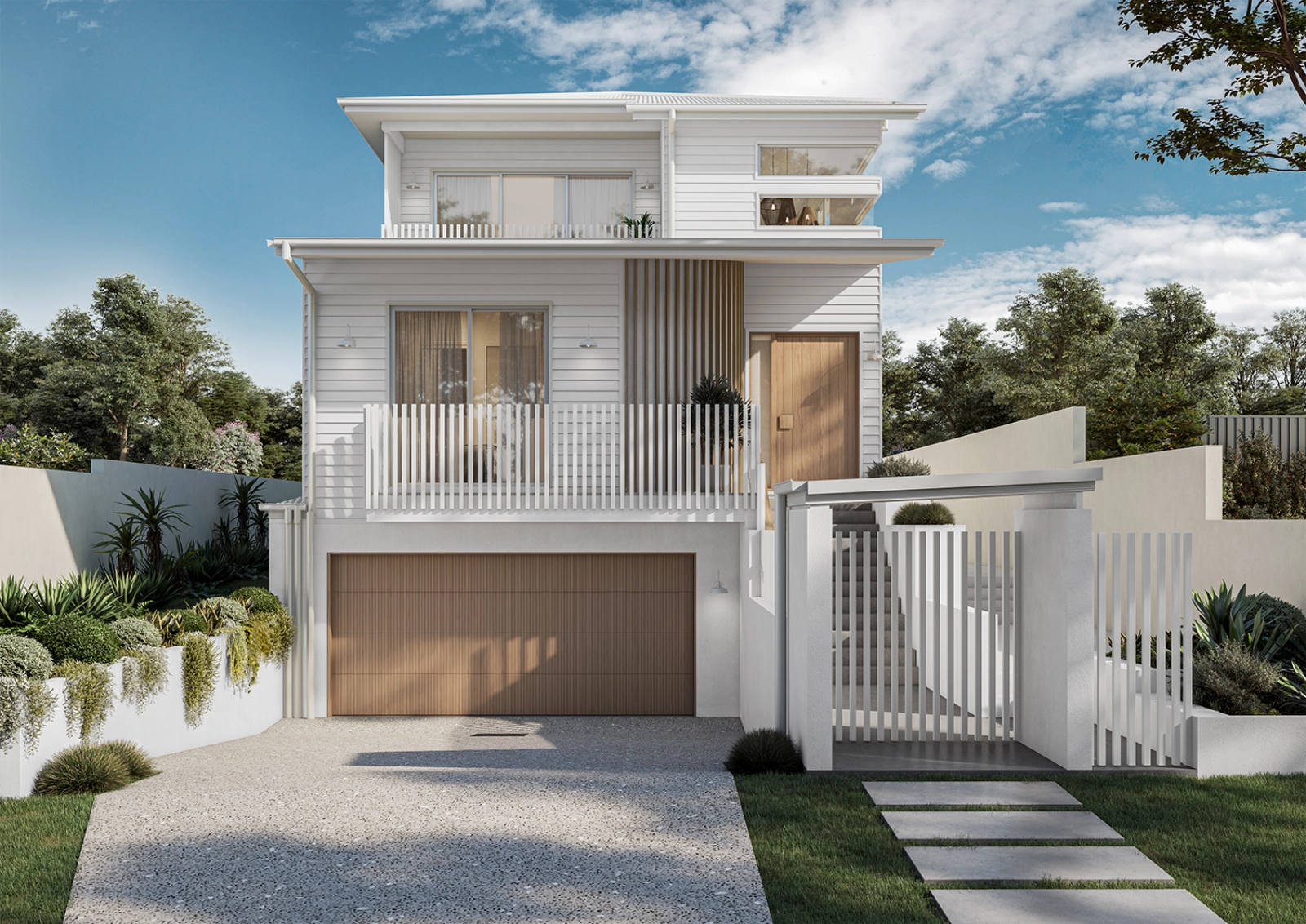
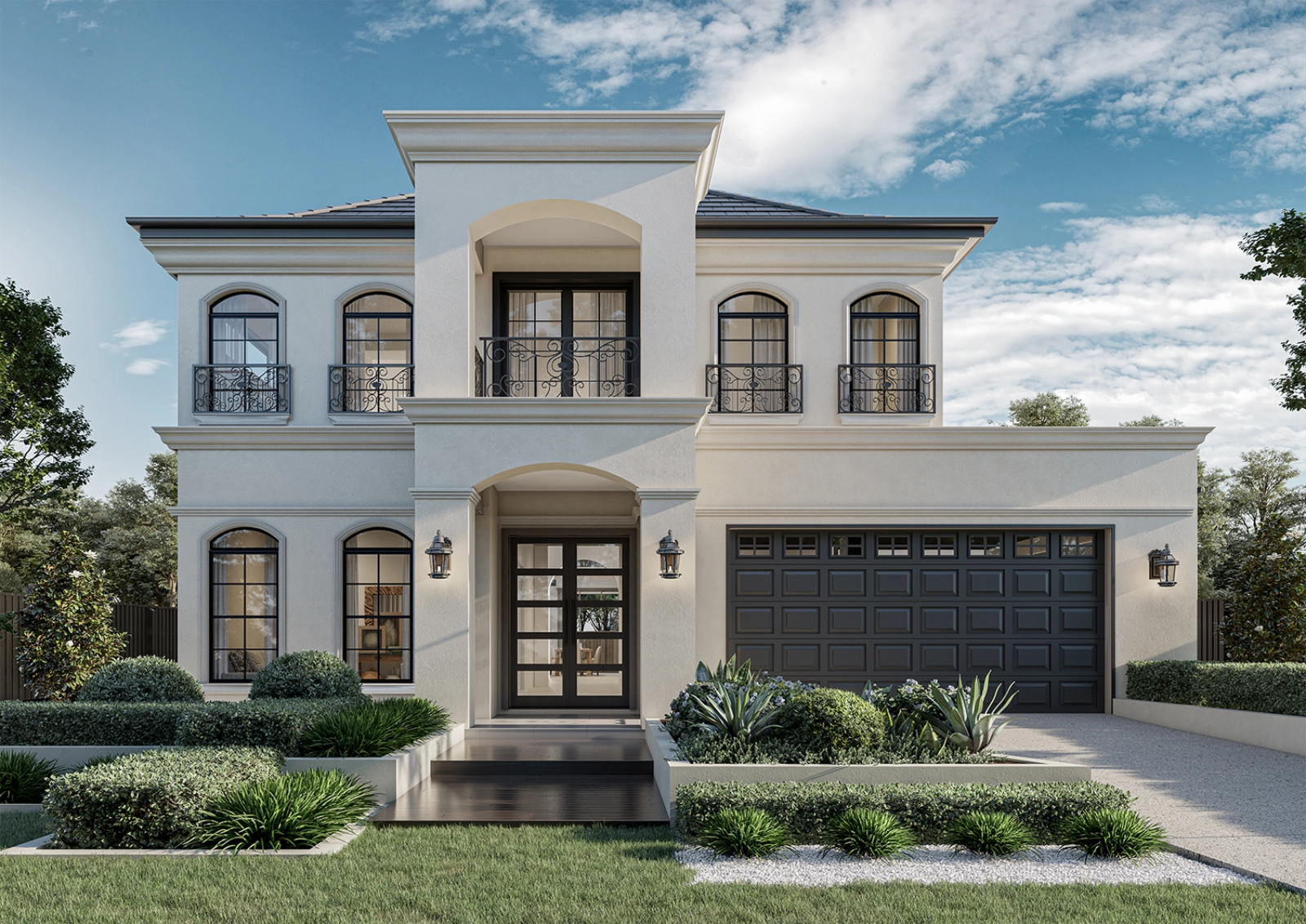
  • Architectural inspiration (do you prefer modern, Mediterranean, coastal elements, or something else?)
  • Outdoor areas (front and back)
  • Special features
  • Number of bedrooms

Communicate your ideas clearly and effectively by providing a list of your must-haves and lifestyle requirements in the initial consultation, so your builder is aware of what the final project should encompass.
Choose the Right Location

Location, location, location! Having your dream home in the perfect location can make all the difference. Consider the distance from work, family, potential schools, and amenities. Research the area to get a feel of the atmosphere and whether it suits your lifestyle needs now and in the future.

Use Quality Materials

Quality living means premium materials and finishes. Compromising on quality should never be an option. And with McCarthy Homes, that’s exactly the case. By using materials that meet the highest standards of quality, your dream home is built to last, maintaining its elegance for years to come, both internally and externally.

Stay Energy Efficient

Your dream home’s features should extend beyond aesthetics. Comfort, sustainability, and smarter living choices are all factors to be considered when building a new house. Crafting an energy-efficient home benefits you personally, especially when factoring in the Queensland climate. Energy-efficient home designs help to keep you cool in the summer and warm in the winter while also reducing your environmental footprint. All without needing to compromise on style or comfort.

Plan for the Future

The key to having a well-designed home is to ensure it accommodates any changes in your life and lifestyle. Whether that’s growing a family, home office needs, incorporating space for visiting family members, or something else.

Stay Involved

Staying involved throughout the building process helps to ensure your vision becomes reality. Allow your custom home builders in Brisbane to manage the day-to-day aspects of your dream home build, but ensure you provide input where necessary to keep designs aligned with your vision.

Keeping you involved is the mark of a good builder. At McCarthy Homes, we keep you informed and updated every step of the way to ensure your dream design reaches its full potential.


Make Sure You Have the Right Home Builder

Choosing the right builder is possibly the most crucial decision you’ll need to make when building your own home. Ensure you choose a builder who:

  • Understands your vision, lifestyle, needs, and goals
  • Has proven experience building homes
  • Prioritises transparency and communication
  • Uses high-quality materials

Our experienced team of custom home builders in Brisbane bring decades of experience, insight, and passion to every project.


Build Your Dream Home With Us

We pride ourselves on executing exceptional designs for beautiful homes. Our craftsmanship and attention to detail have made McCarthy Homes a household name from the Sunshine Coast to the Gold Coast.

Our expert team of custom builders in Brisbane and South East Queensland will help you navigate the entire building process, ensuring expectations are not just met but exceeded when it comes to unveiling your completed dream home.

Ready to build your dream home? Get in touch with us today.
home-demolition

The Knock Down Rebuild Process Explained

By | Processes, Property News

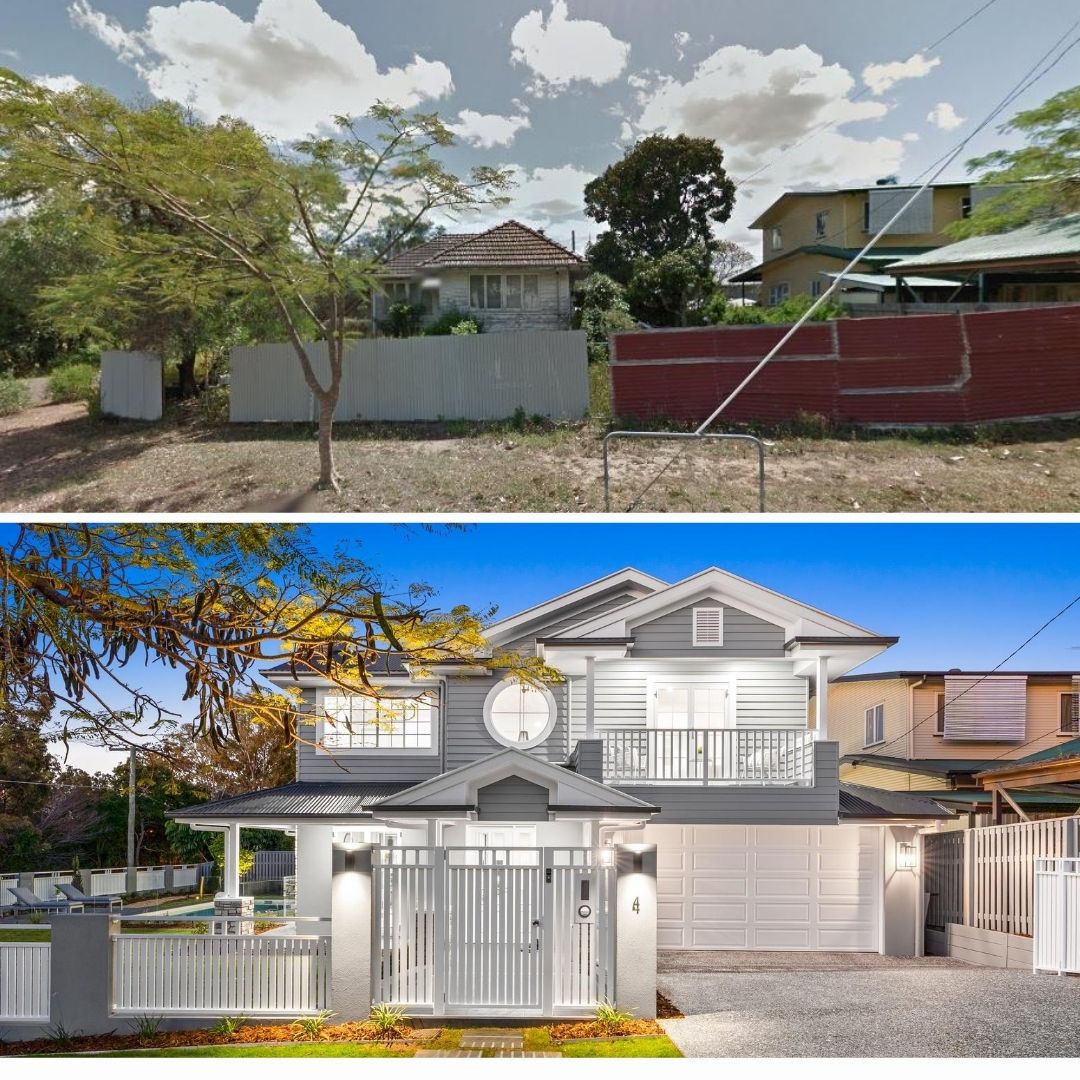
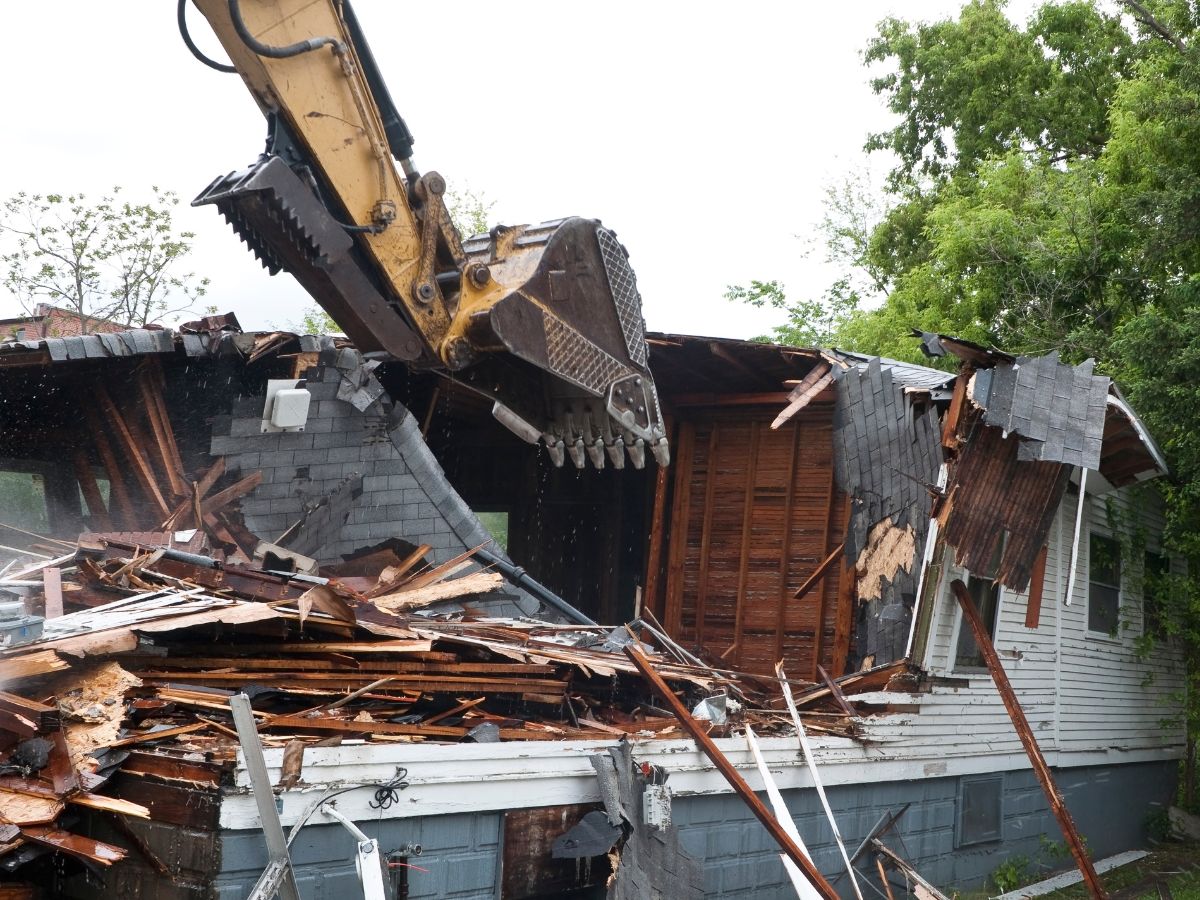
Knocking down an existing house and rebuilding a new home is a great option for many homebuyers. If you already own a house, a knock down rebuild allows you to enjoy a brand new home without having to move. That means the kids can stay in their schools and you can stay near your family, friends and work.

There’s even better news – a knock down rebuild project can save you money, and the process is very similar to a standard new home construction. In this article, we’ll go over the knock down rebuild process and explain the extra steps involved with your project.


1. Pre-Construction Planning

Just like any other new home construction, your knock down rebuild begins with some serious planning. During the pre-construction planning phase, you will meet with your builder to discuss your design concepts and assess your existing property. If your property is suitable for a knock down rebuild, the planning phase will move forward, and you’ll have a chance to talk about design requirements, floorplans, finishes, fittings and other inclusions.

Note that not every property is suitable for a knock down rebuild project. For instance, if your house is subject to heritage listing, you may not be able to demolish the property. You can speak with us directly to determine your suitability for a knock down rebuild project.


2. Obtain Demolition Approval

Demolition projects are subject to strict council requirements. Since demolition can have an impact on the surrounding area, you will need to check with your local council to find out whether you can demolish a property. Demolition approvals are subject to:

  • Zoning laws
  • Heritage listing
  • Overlays (such as flood zones)
  • Neighbourhood planning

Each local council has its own requirements for granting permits. You can read more about Brisbane City Council’s requirements on their website, but you should check with your local council for more accurate information.


3. Organise the Demolition

You will typically be required to organise demolition with an independent contractor. Demolition is heavily regulated and highly skilled, so you’ll need to work with a reputable contractor, who will organise your demolition approvals. They will also offer advice on how to terminate services to the site such as electricity, internet and gas provisions and arrange a plumber to cap and seal existing water/sewer connections.

Demolition should only be carried out by a contractor that holds a valid licence.


4. Laying Foundations

With demolition complete and the waste removed from the site, your builder will typically complete a new soil test and contour detail survey, to help assess the new levels of the land.

The other steps include:

  • Clear unwanted vegetation and other features
  • Perform earthworks (such as flattening the site)
  • Construct retaining walls and terraces
  • Lay underground utilities (such as water, power, internet and gas)
  • Mark out the location of the slab and/or foundation posts

Once that’s all complete, the concrete slab will be poured and allowed to cure ahead of further construction.


5. Framing the Home

Framing is where your house starts to come together! The frames are the skeleton of your home.


6. Enclosing the Home

Enclosing your home marks the halfway point of the build. During the enclosing phase, your new home is fitted with its roofing, insulation, external cladding, windows and external doors. The aim here is to make the home secure and weatherproof before the interior fit out takes place.

At this stage, rough-in electrical and plumbing services can be completed while they have access to wall and ceiling cavities.


7. Completing Fixings

Once your home is secure, your trades can move onto the interior and complete the fixing stage. During fixing, your builder reviews major details like wall and ceiling cladding, and they’ll install features like skirting boards, cornices, doors and cabinetry. They’ll also complete the installation of the electrical and plumbing services that were roughed-in earlier.

Lots of work goes into completing a home and adding finishing touches such as stairs, appliances, kitchen equipment and custom features. The fixing stage is often one of the longest phases of your knock down rebuild.


8. Project Handover

Your knock down rebuild is almost complete! At this point your builder is effectively done with their work, and it’s your turn to examine the property and make sure it meets your expectations.

Prior to the handover, you’ll meet with your site supervisor to inspect the build. If there are items that both you and your builder decide require attention, these are normally attended to before the handover of your new home.


Talk to McCarthy Homes About Your Knock Down Rebuild Project!

A knock down rebuild project is a great way to build your dream home in a location you already love. Not only does a rebuild give you more freedom than renovation, it can also save on stamp duty, moving costs and agents fees. If you’ve outgrown your current house and want to build something that suits your lifestyle, McCarthy Home would love to hear from you!